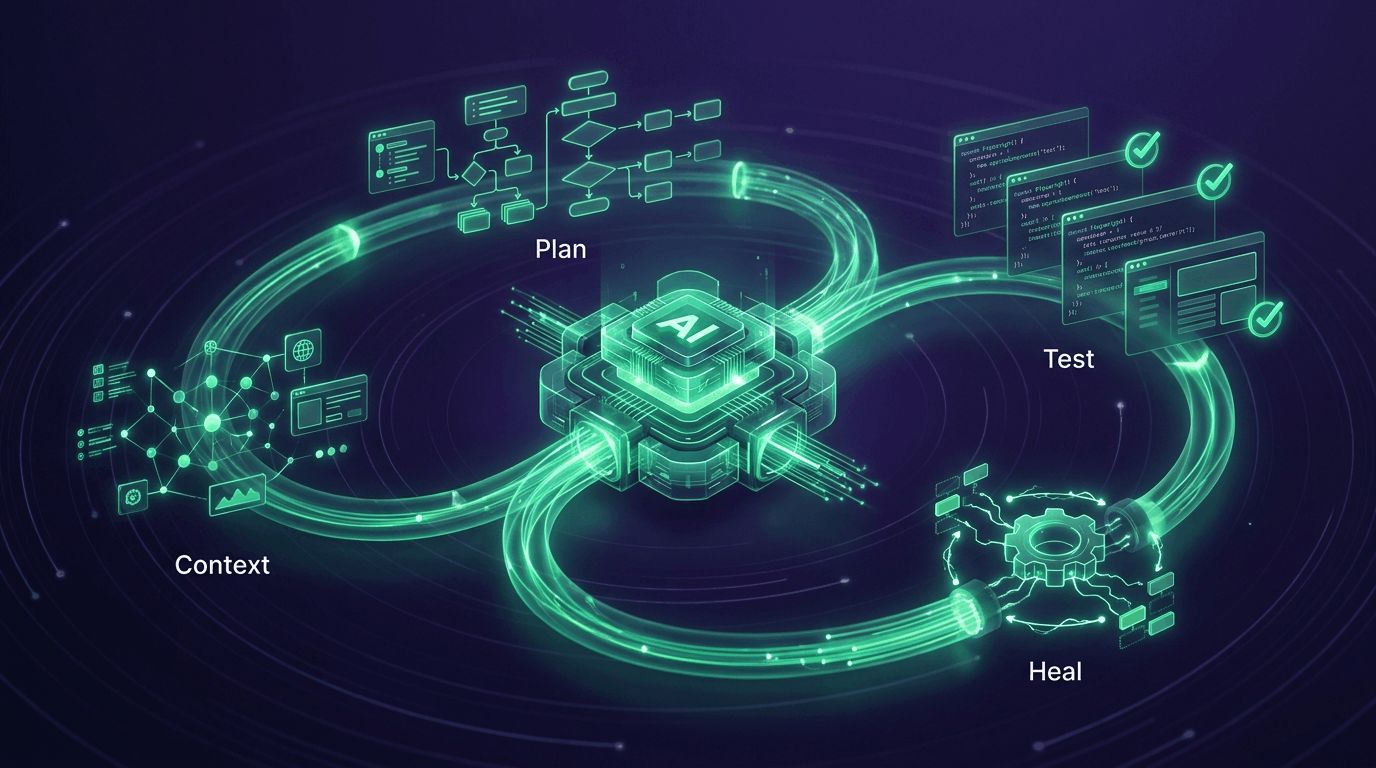
End-to-end QA is essential to release confidence, but the workflow is often scattered across browsers, tickets, IDEs, CI, and chat — and skilled QA engineers spend most of their week on repetitive scripting and debugging instead of the testing that prevents real defects. InspireX built an AI-powered QA automation platform to bring the full lifecycle into one workspace and give the team its capacity back: the same engineers ship more coverage, keep regression healthier, and stay in control of approvals, release risk, and final judgement. For Pro-AV, IoT, and cloud-connected products, this pattern is especially useful where web portals, device workflows, user roles, and release regression need to move together.
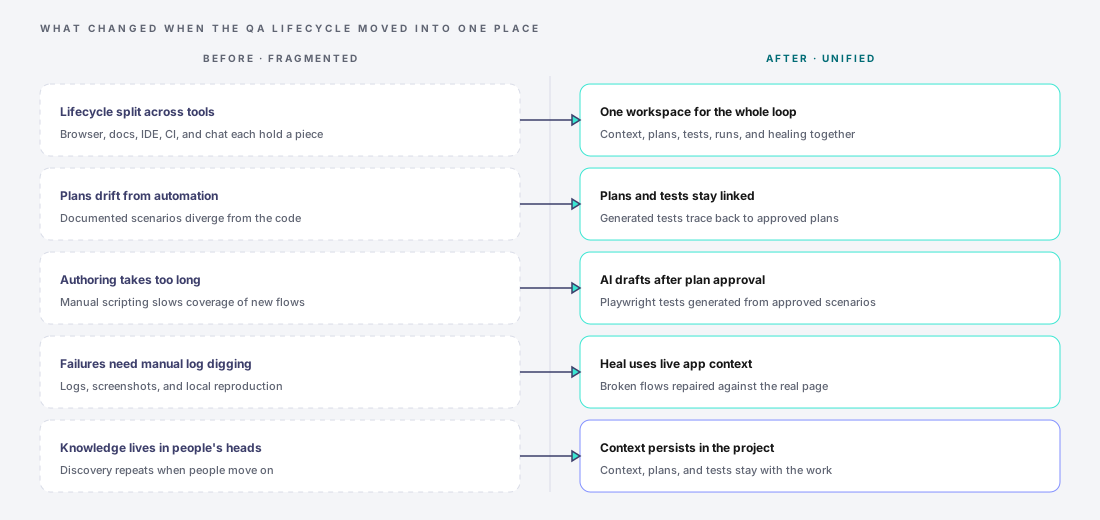
Most organisations do not struggle with QA because they lack intent. They struggle because the process is split across browsers, documents, IDEs, CI systems, screenshots, and chat threads. The cost lands on the team: experienced testers spend the bulk of their time rewriting brittle scripts, chasing changed selectors, and reproducing failures — so coverage grows slowly, regression is run less often, and release confidence suffers while the team's expertise is spent on busywork.
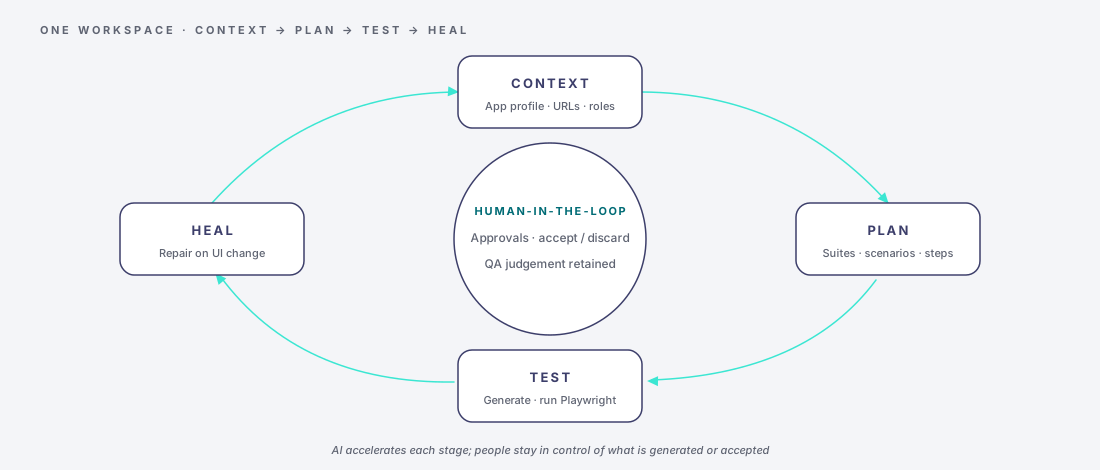
InspireX shaped the platform around one connected loop — Context, Plan, Test, and Heal. The workspace stores product knowledge before automation begins, turns exploration into structured test plans, generates standard Playwright tests only after approval, runs those tests with visible history, and supports controlled repair when the application changes. By absorbing the repetitive drafting and diagnosis, it converts the team's hours into more coverage and faster regression — while reviewers keep control of strategy, approvals, release gates, and what ultimately lands in the suite.
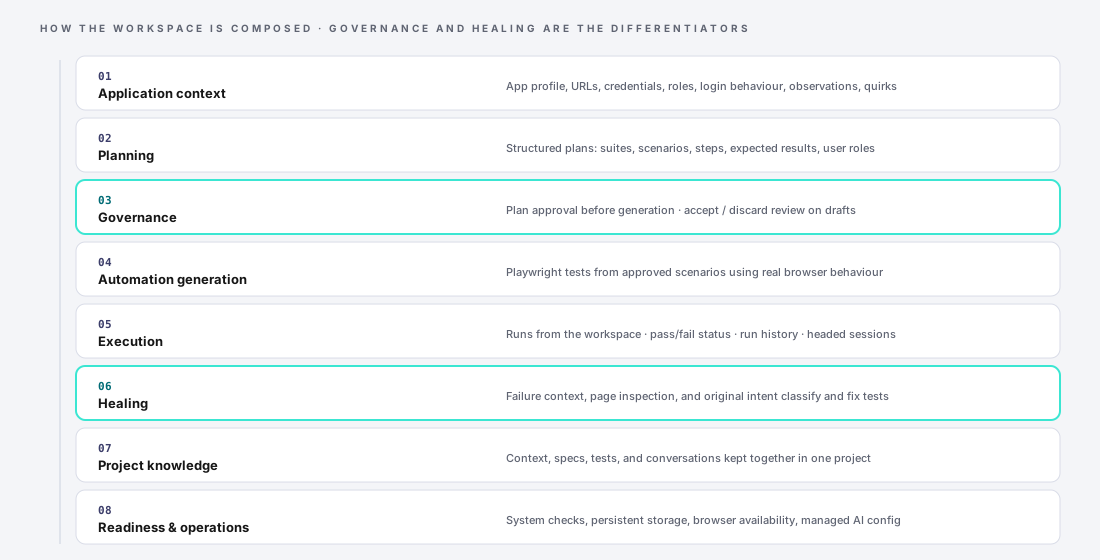
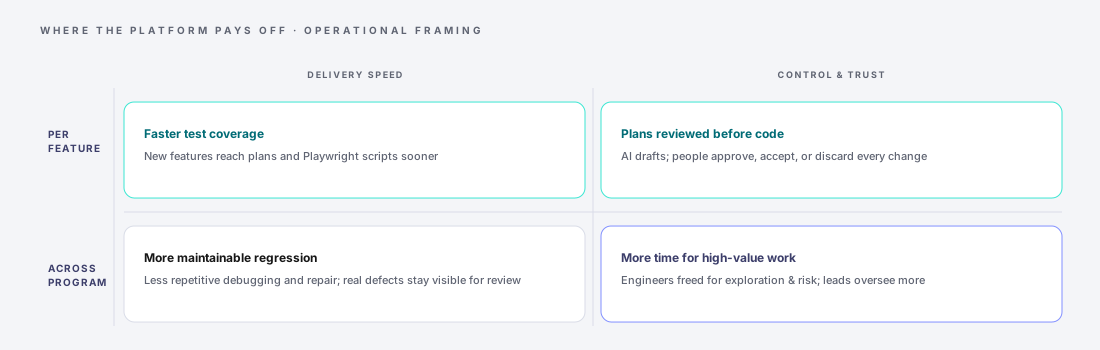
The platform turns QA from a chain of disconnected handoffs into a continuous, governed workflow — and the biggest payoff is capacity. With repetitive scripting and debugging absorbed, engineers spend more time on exploratory testing, edge cases, and risk. New features move from exploration to reviewable plans and generated regression faster, regression workflows become more maintainable because controlled healing helps identify repair candidates, while likely product defects remain visible for review, and durable project context keeps QA knowledge available for future work.
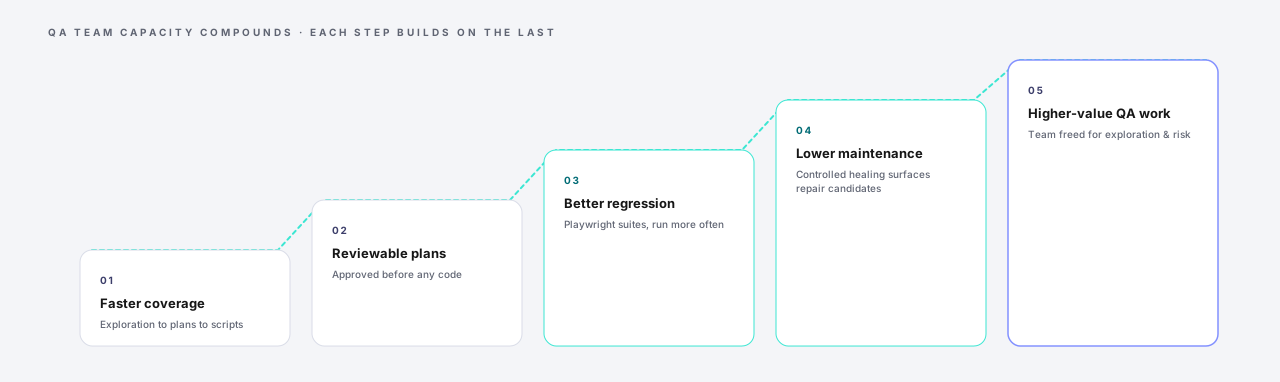
The platform is in active internal use across the full Context, Plan, Test, and Heal loop. Outcomes are framed as operational improvements observed in internal use: the team can create reviewable plans, generate standard Playwright coverage faster, run more maintainable regression workflows with less repetitive debugging and repair effort, and free experienced engineers for the high-value testing that actually catches defects. The value is not only speed — it preserves the judgement layer QA teams need while removing the repeated translation work that slows them down.


InspireX Pty Ltd
Level 8
97 Creek Street
Brisbane City QLD 4000


